Learning Through Movement
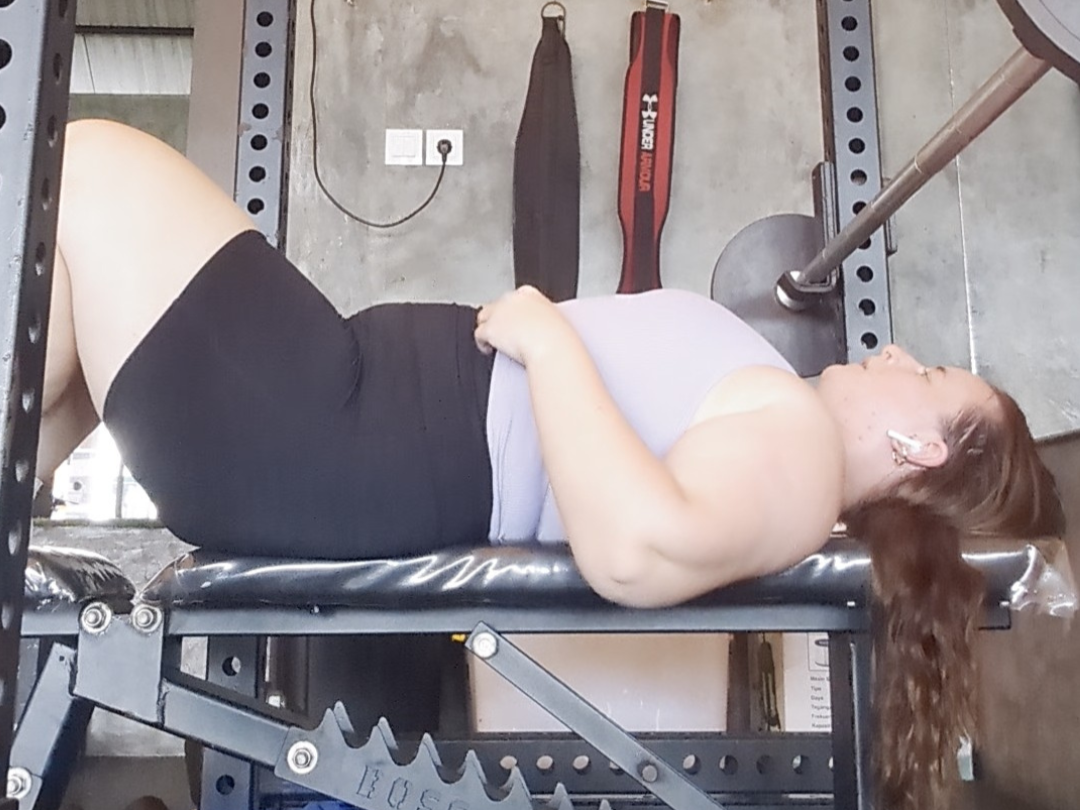
For a long time, I outsourced authority over my body.
I started moving like someone fragile, and that’s exactly what I turned into: someone fragile.
If someone said, “You shouldn’t do that,” I listened. If something hurt once, I avoided it completely. If I was given a label — injury, weakness, limitation — I absorbed it. And at times, I weaponised it. There was a quiet “I’m special” narrative that made avoidance feel responsible, even mature.
Carpal tunnel. L5/S1 fracture. Tight hips. Weak core. All useful information. All things to be mindful of.
But somewhere along the way, information turned into identity.
I started moving like someone fragile, and that’s exactly what I turned into: someone fragile.
There’s a subtle difference between respecting an injury and building your entire movement world around it. I leaned toward the second one for a while.
It felt responsible. Mature, even. “I just can’t do that anymore,” I’d say, as if my body had permanently filed the paperwork.
What I’m learning now is that movement is less binary than I thought.
It’s not “can” or “can’t.” It’s capacity. It’s tolerance. It’s progression. It’s context.
Strength training has been teaching me this in a very unglamorous way. Nothing dramatic. Just adding small amounts of load. Repeating movements. Not panicking at every sensation.
There’s something quietly empowering about discovering that your body is more adaptable than you assumed.
Not invincible or immune to pain. But adaptable.
I used to interpret discomfort as danger. Now I’m learning to ask better questions.
Is this pain? Or is this unfamiliar effort?
Is this a red flag? Or is this a nervous system reacting to something new?
That curiosity has changed more than any single exercise ever has.
Movement has become less about aesthetics and more about trust.
Trust that I can explore edges safely.
Trust that my body isn’t broken.
Trust that capacity can be rebuilt.
There’s still fear sometimes. I still catch myself hesitating before certain lifts or movements. But instead of declaring “I can’t,” I’m experimenting with “What happens if I try differently?”
It’s slower than I’d like. Slightly less heroic than my old all-or-nothing attempts.
But it feels sustainable.
And right now, sustainability feels more impressive than intensity.